SAFe
AI-Native SAFe: Inside the 2026 Framework Update
AI-Native SAFe: Inside the 2026 Framework Update Scaled Agile has rebuilt its flagship framework around a bet most enterprises cannot yet cash: that AI belongs inside the operating model, not bolted onto it. AI-Native SAFe is that bet. This guide goes inside the 2026 framework update and the…


SAFe TTA Case Studies: Real-World Success Stories
SAFe TTA Case Studies: Real-World Success Stories Case Studies and Examples of SAFe adoption crowd the search results, but most report only that teams became more agile: not whether the organization delivered more, faster, or with fewer defects. A cable television company that scaled Scrum with…
Coaching SAFe TTA: Scaling Agile Across the Enterprise
Coaching SAFe TTA: Scaling Agile Across the Enterprise Add a coach to every team on an Agile Release Train and coordination still breaks down; because coaching and scaling Team and Technical Agility is not a bigger version of coaching one team. The unit that needs coaching changes: from a team's…
The Inspect and Adapt Workshop: PDCA and Learning Culture at ART Scale
The Inspect and Adapt Workshop: PDCA and Learning Culture at ART Scale Does your ART's Inspect and Adapt event change anything, or does it just produce a tidy backlog nobody funds? Most Inspect and Adapt sessions fail quietly: teams surface real problems, write real improvement stories, and watch…
Restructuring the Agile Release Train for AI: Sizing & Topology
Restructuring the Agile Release Train for AI: Sizing & Topology Most organizations restructuring the Agile Release Train for AI start with an org chart, before naming what changed: a second flow of model training, deployment, and drift response now runs through the same value stream as feature…

Flow Predictability
Flow Predictability A portfolio can post 95 percent ART predictability for three straight Program Increments and still miss every date on its roadmap. Flow Predictability is the SAFe metric built to catch that gap, and most Lean Portfolio Management teams read only half of what the number is…

Role-Specific Principle Application (RTE, PO, SM, Architect, Exec)
Role-Specific Principle Application (RTE, PO, SM, Architect, Exec) Most people learn SAFe roles as a checklist: what a Release Train Engineer does, what a Product Owner owns, what a Scrum Master facilitates. That checklist gets the causal direction backwards. Role-Specific Principle Application…
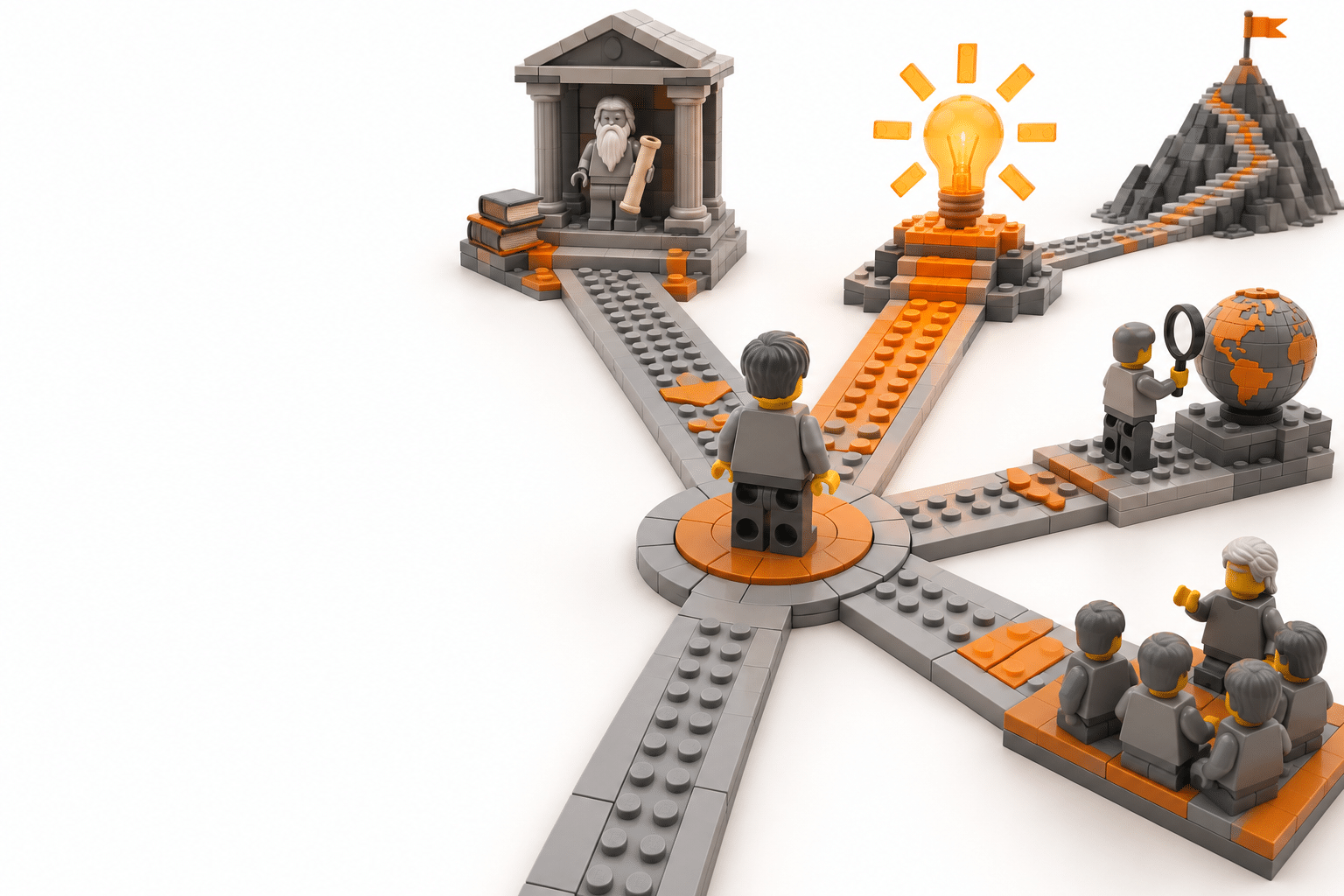
Inherited vs Invented: Per-Principle Intellectual Lineage Audit
Inherited vs Invented: Per-Principle Intellectual Lineage Audit SAFe's principles page opens its ten-principles section with a quote from W. Edwards Deming, a direct admission that the framework compiles existing thought. Yet training decks, consultant blog posts, and even secondary SAFe commentary…

SAFe Framework Version History
SAFe Framework Version History Ask a SAFe consultant which version their client runs, and the frank answer is usually two numbers, tracked separately, neither of which is the framework's ten principles. SAFe Framework Version History looks like a straight timeline from the outside: it isn't, and…
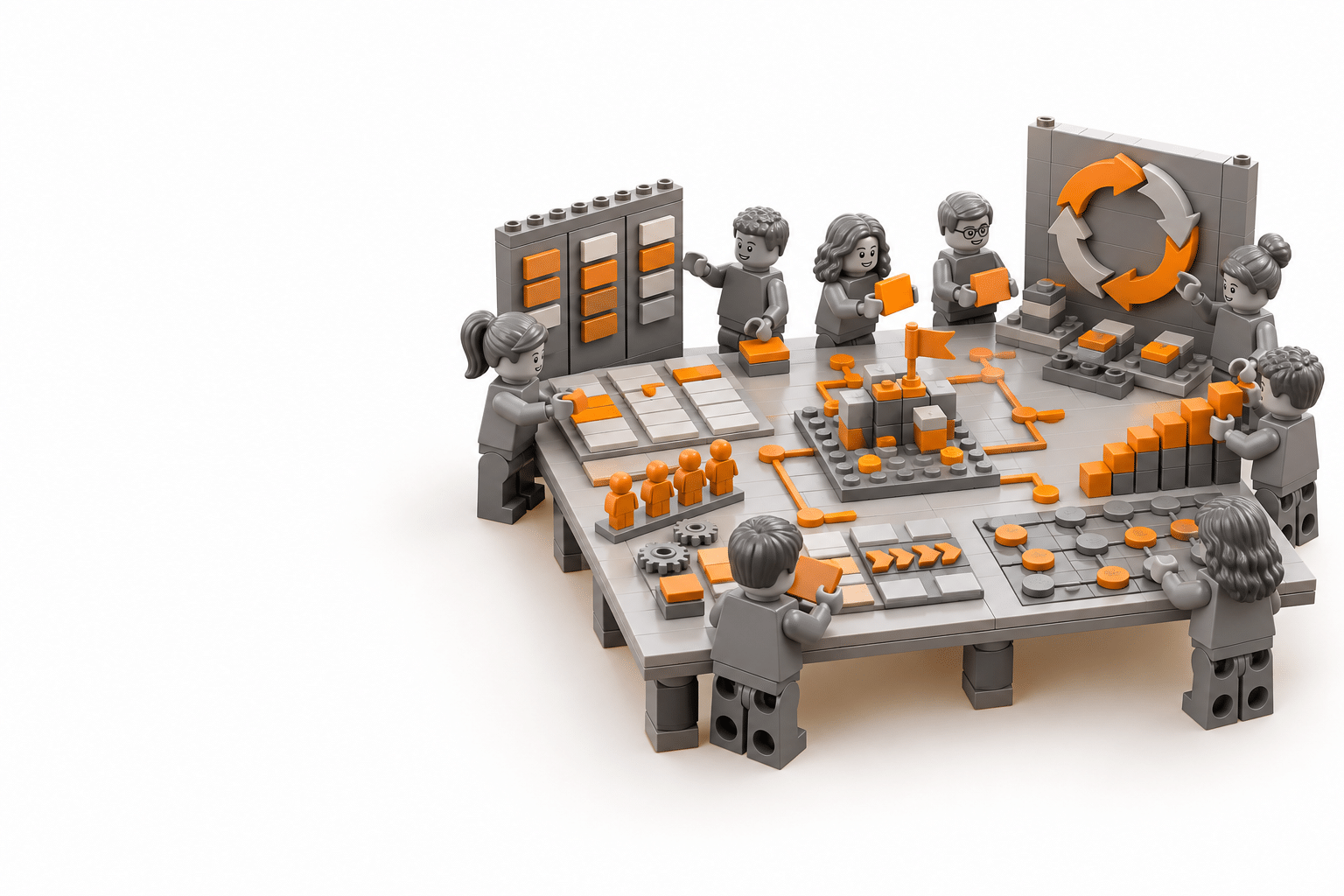
Competing Agile Frameworks: LeSS, Kanban, Scrum, DA
Competing Agile Frameworks: LeSS, Kanban, Scrum, DA Most comparisons of SAFe against LeSS or Scrum-native scaling start in the wrong place; they line up feature lists before anyone asks whether the organization has decided what kind of team it's building in the first place. Ryan Nelson and Thomas…
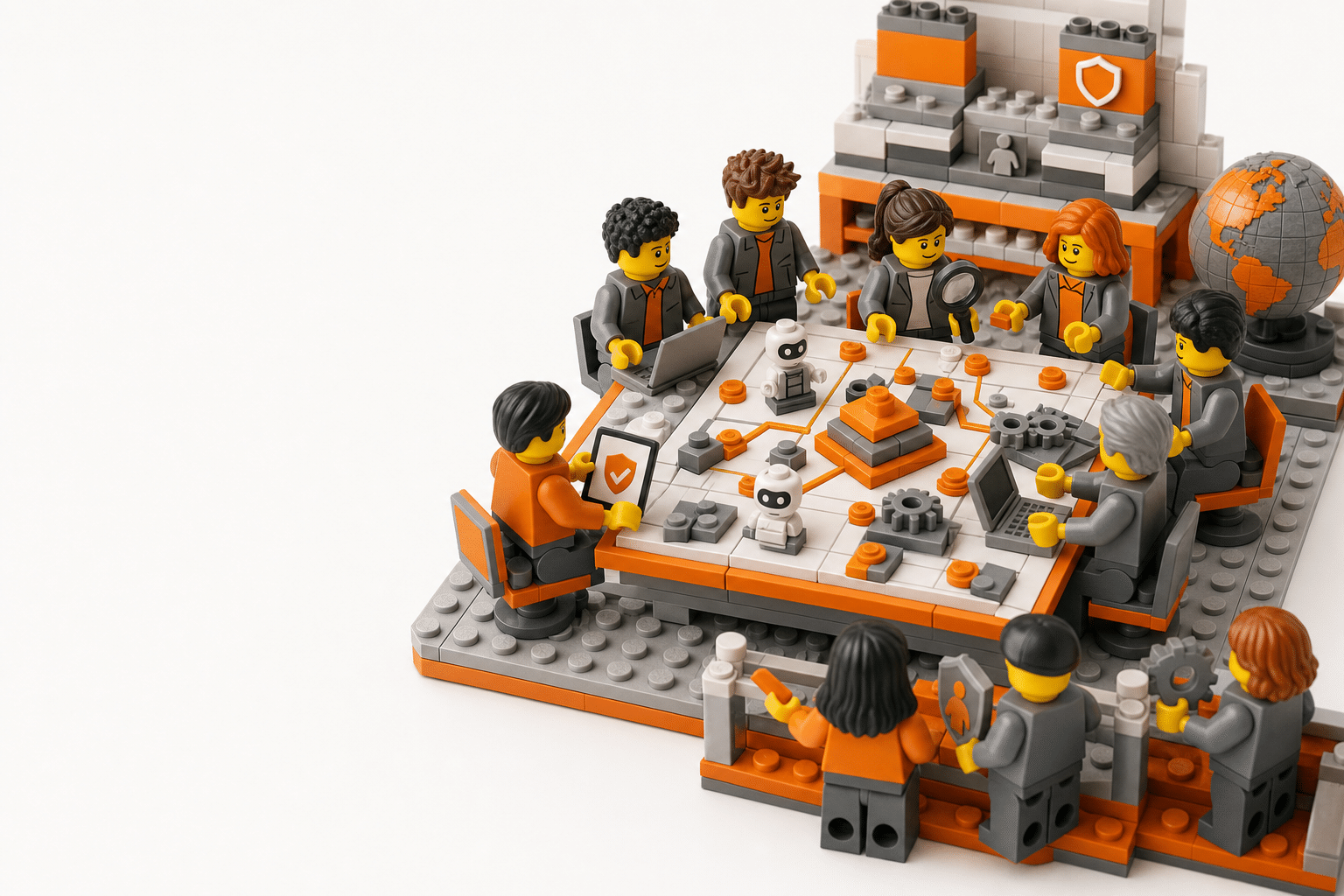
Governance-as-a-Service: The Missing Layer in SAFe AI Compliance
Governance-as-a-Service: The Missing Layer in SAFe AI Compliance Most enterprises running agents inside a SAFe train have a governance policy and nothing that enforces it: the document exists, the agent acts anyway. Governance-as-a-service, the missing layer between AI agents and SAFe compliance,…
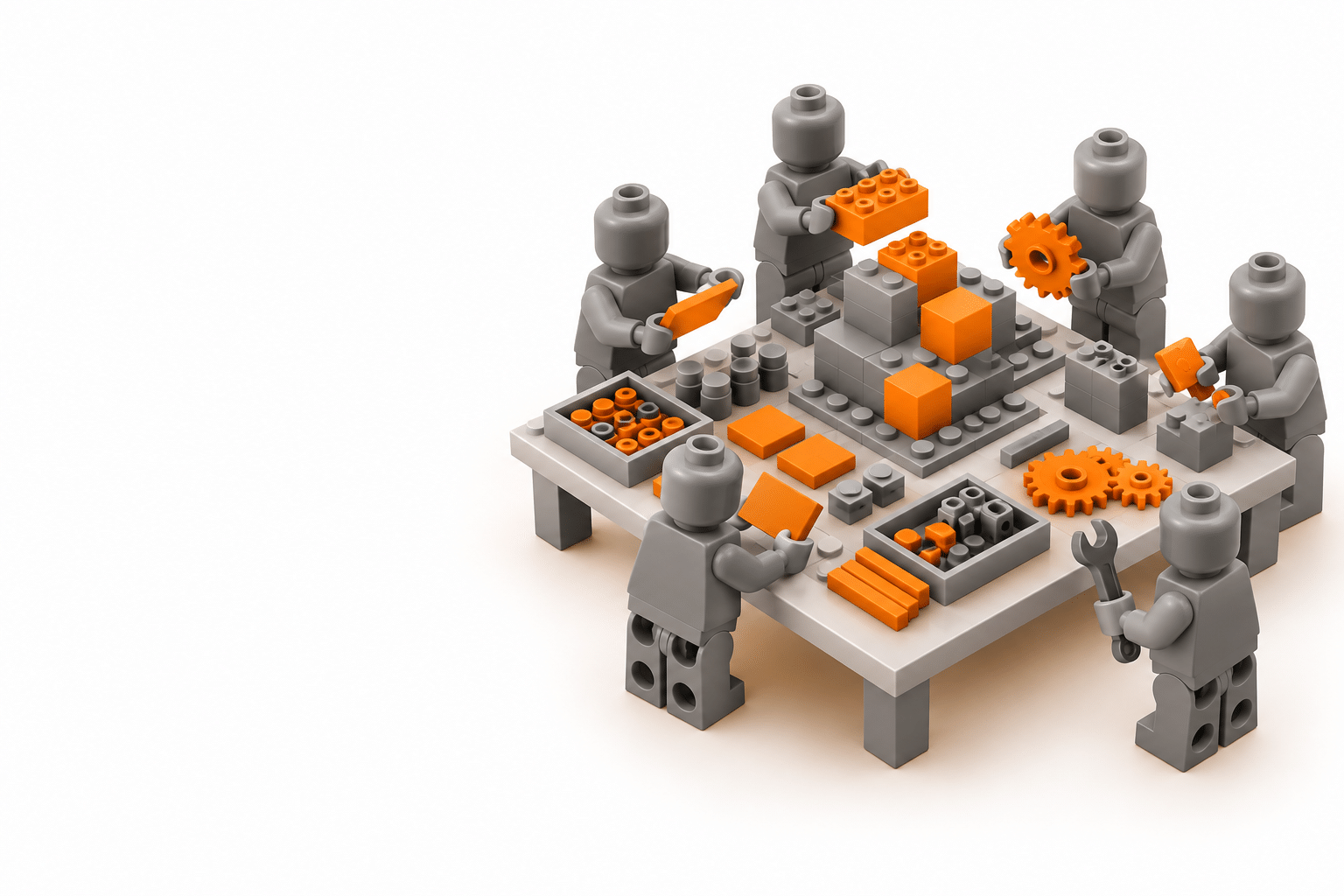
Organize Around Value
Organize Around Value Most reorganizations that call themselves value-stream transformations never touch the mechanism that actually blocks flow: the org chart underneath the new labels. Teams get renamed Agile Release Trains, roadmaps get renamed epics, and the same handoffs that stalled work…
SAFe and Lean: TPS, Toyota, and the Lean Heritage
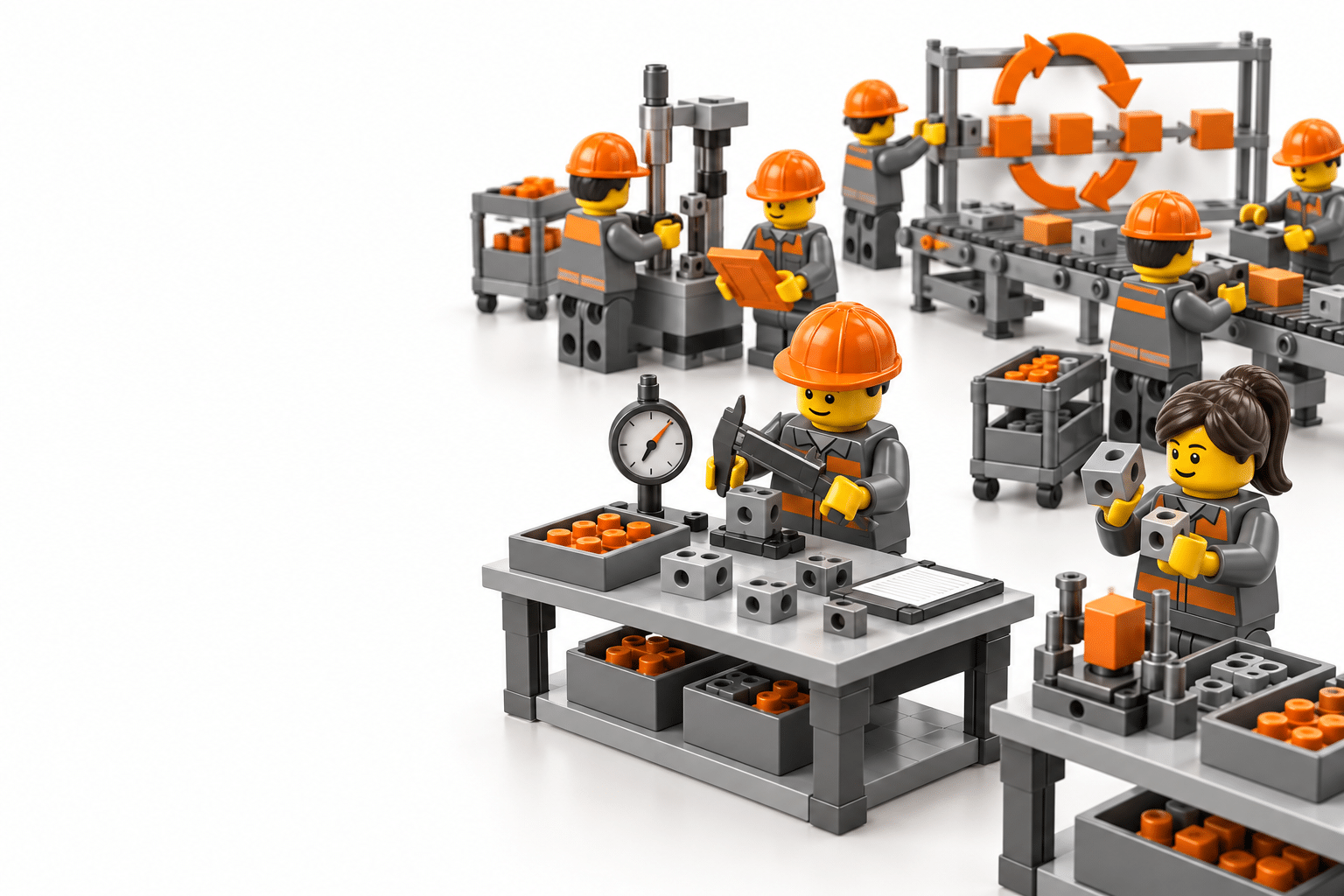
SAFe and Lean: TPS, Toyota, and the Lean Heritage Ask a Lean-Agile coach where Lean began, and most name Toyota. That answer skips three decades. SAFe and Lean: TPS, Toyota, and the Lean Heritage actually opens in a Michigan auto plant in 1913, and the fact that gets buried, what Ford's system…

Principle-Practice Diagnostic: Symptoms of Principle Violations
Principle-Practice Diagnostic: Symptoms of Principle Violations A SAFe train can pass every practice audit on the books and still violate half its principles. In fact, most can. The scorecard checks whether ceremonies happened, not whether Take an Economic View or Apply Systems Thinking ever shaped…
Missing Principles: What SAFe Left Out
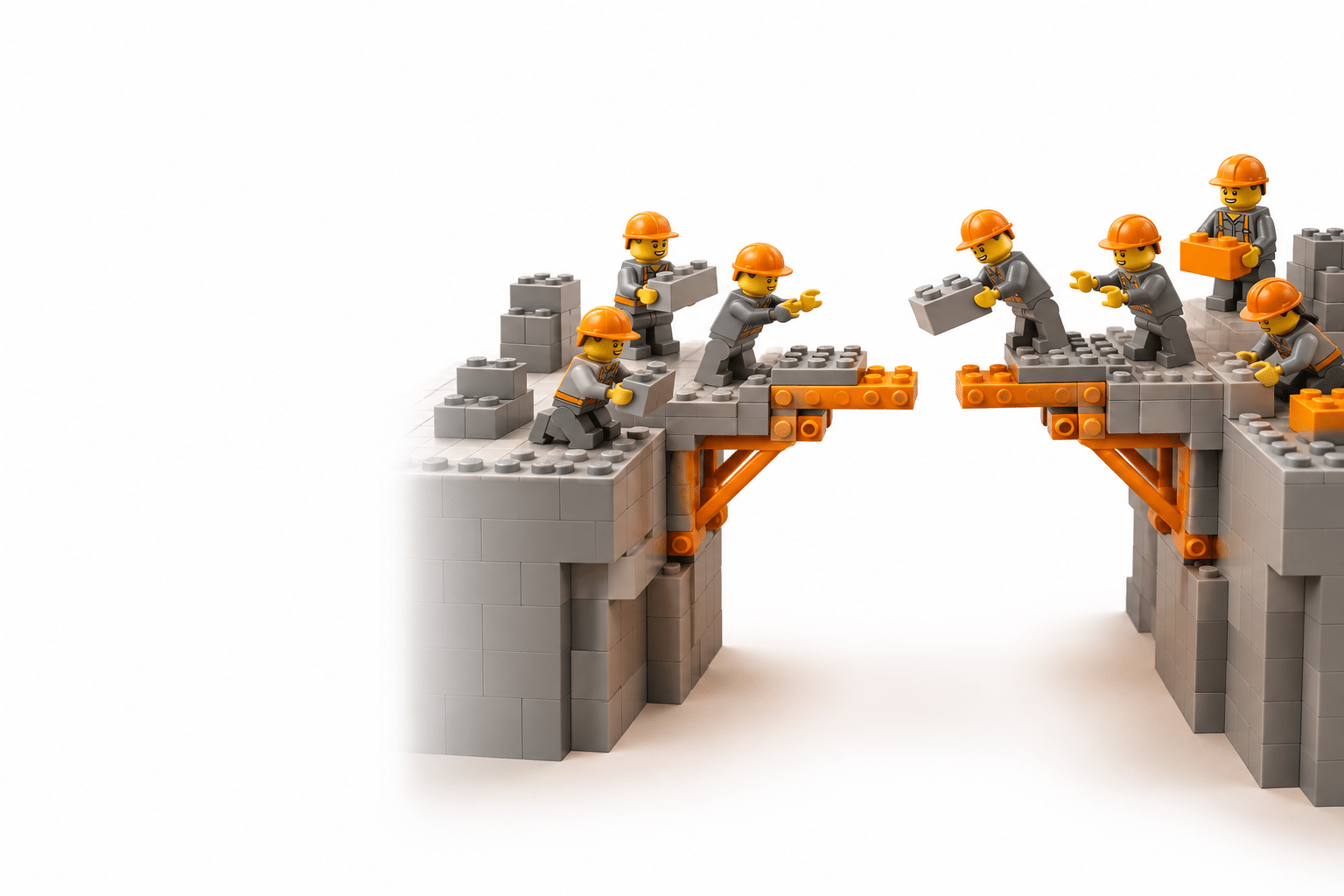
Missing Principles: What SAFe Left Out Ask a room of certified practitioners whether SAFe's ten principles cover everything Agile and Lean thinking has to offer, and most will say yes: the list is official, so it must be complete. It isn't: two Agile Manifesto principles have no SAFe counterpart, a…

SAFe Implementation Case Studies
SAFe Implementation Case Studies SAFe implementation case studies are rhetoric before they are proof: a quoted executive, a named company, a bulleted list of percentages, and by the time a reader reaches the numbers the story has already done its persuasive work. Get the reading wrong, and a…
Agile Manifesto and SAFe's Relationship to Foundational Agile
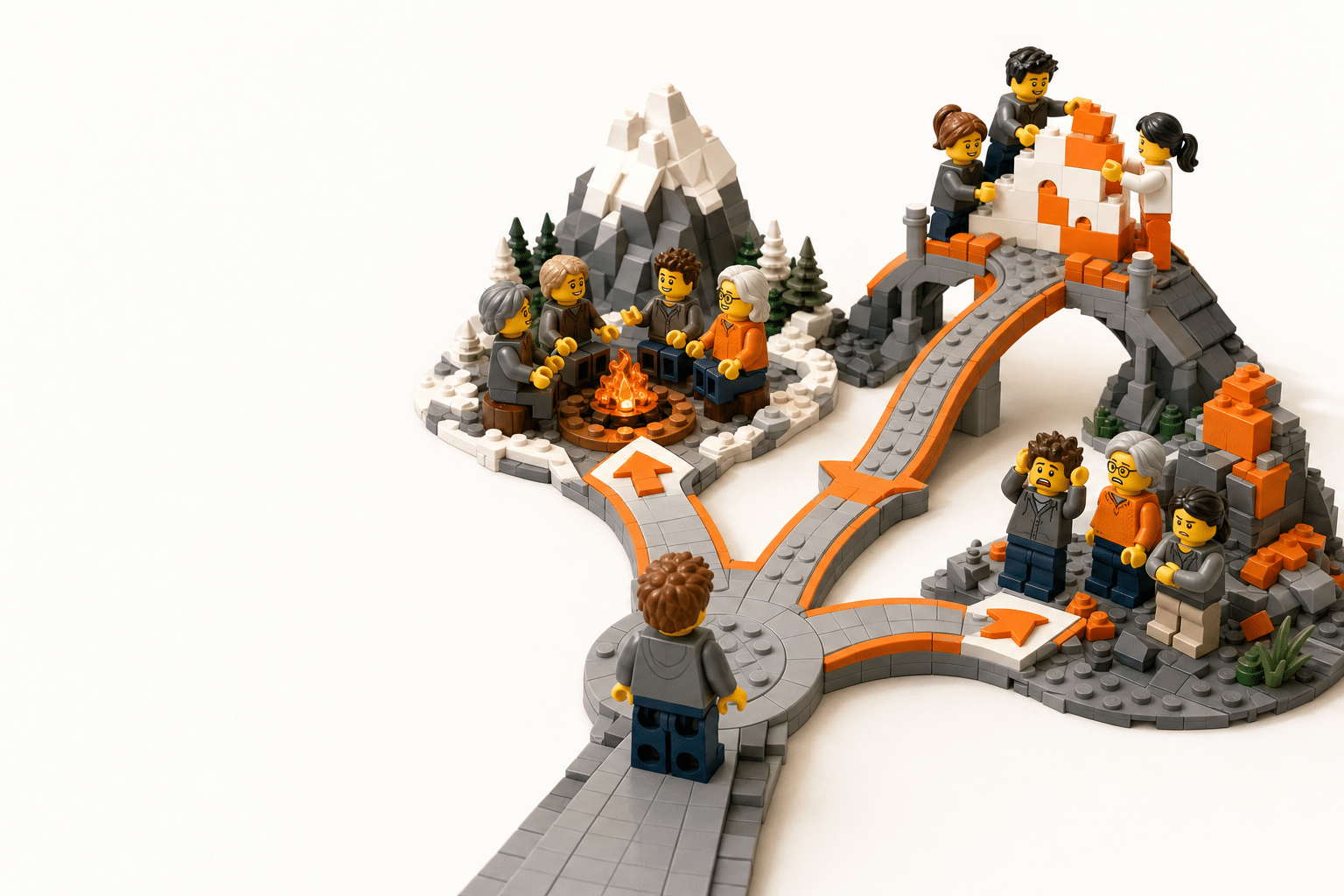
Agile Manifesto and SAFe's Relationship to Foundational Agile Scaled Agile's own Product Owner page quotes the Agile Manifesto's principle on business people and developers working together daily, then defines a permanent, full-time role the document's authors never specified: the clearest evidence…
Apply Cadence, Synchronize with Cross-Domain Planning
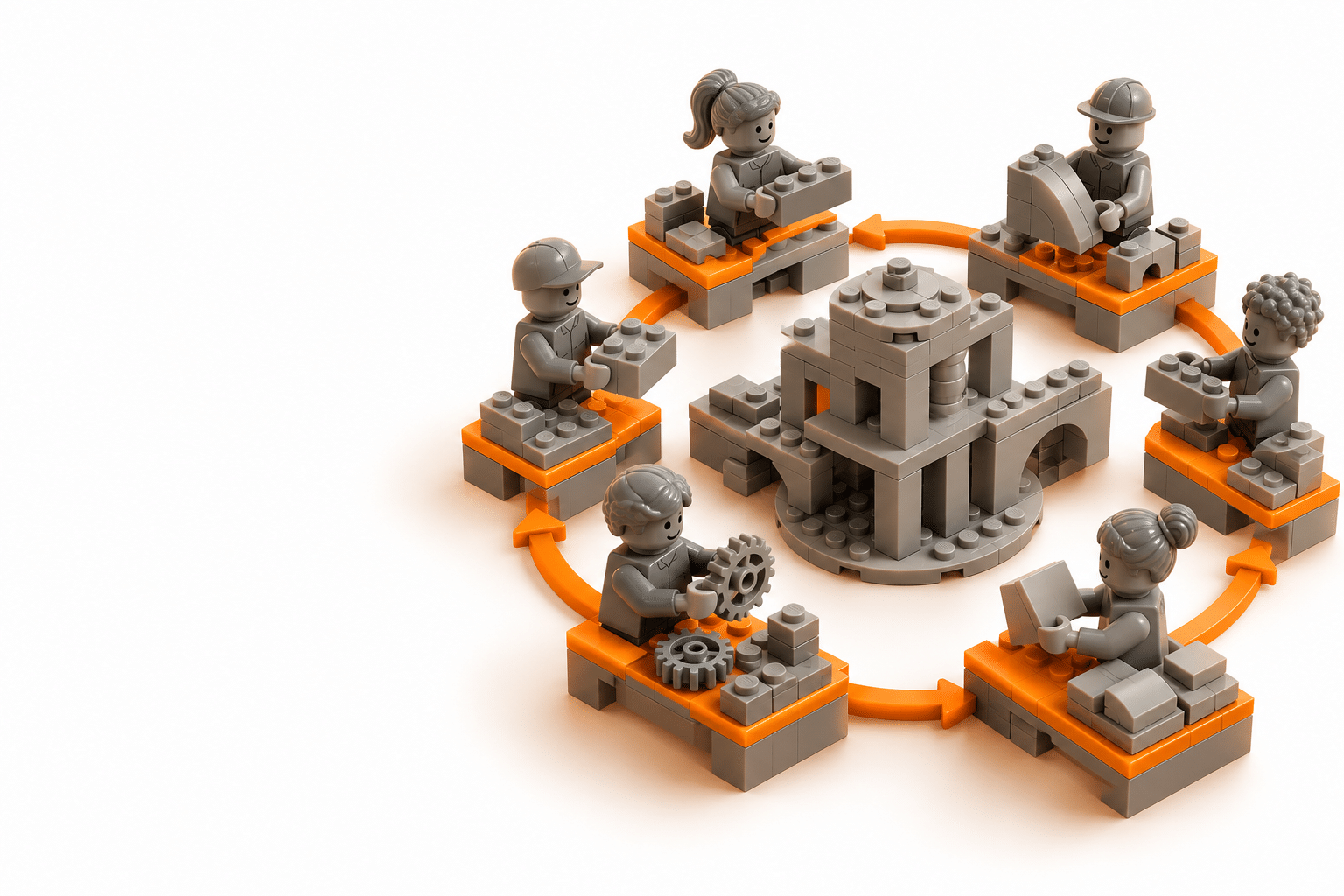
Apply Cadence, Synchronize with Cross-Domain Planning Cadence and synchronization get folded into the same habit, the standing two-week rhythm, the recurring status call, and that habit is why coordination stalls the moment two teams depend on each other. Apply Cadence, Synchronize with…

Apply Systems Thinking
Apply Systems Thinking Most SAFe transplants fail after the ceremonies are already running: Iterations get planned, PI boxes get filled, the org chart matches the training deck; yet delivery stalls at the same handoffs as before. Apply Systems Thinking is the principle everyone recites and almost…
SAFe Certifications and Training Ecosystem
SAFe Certifications and Training Ecosystem Passing a SAFe exam demonstrates you can pass a SAFe exam: not that you can run a Program Increment, coach a stalled Release Train, or rescue a value stream nobody trusts anymore. The SAFe Certifications and Training Ecosystem now spans four separate…
Unlock the Intrinsic Motivation of Knowledge Workers
Unlock the Intrinsic Motivation of Knowledge Workers Most leaders treat Unlock the Intrinsic Motivation of Knowledge Workers as license to remove management; hand out autonomy, flatten the chart, and expect self-direction to fill the gap. SAFe Principle #8 makes a narrower, more specific claim:…

Assume Variability; Preserve Options
Assume Variability; Preserve Options Assume Variability; Preserve Options reads like permission to stall; teams cite it to avoid choosing anything. Read the source correctly and it does the opposite: it names the mechanism that decides which option persists and exactly when the set finally……

SAFe Principles Anti-Patterns
SAFe Principles Anti-Patterns Most SAFe transformations fail from inverting the economic logic their own ceremonies exist to serve: the exact definition of SAFe Principles Anti-Patterns. Most SAFe transformations fail from inverting the economic logic their own ceremonies exist to serve: the exact…

Why SAFe Principles Fail
Why SAFe Principles Fail Most SAFe transformations don't collapse from missing ceremonies; they collapse while every ceremony still runs on schedule. Most SAFe transformations don't collapse from missing ceremonies; they collapse while every ceremony still runs on schedule. Why SAFe Principles…

Base Milestones on Objective Evaluation of Working Systems
Base Milestones on Objective Evaluation of Working Systems A Program Increment can hit every date on the roadmap and still fail the business it serves: a phase-gate milestone proves only that a calendar turned; the system underneath can still be broken. Base Milestones on Objective Evaluation of…
Take an Economic View
Take an Economic View Every SAFe rollout can recite Principle #1: Take an Economic View. Few can name the last sequencing decision it actually changed; and that gap between reciting a principle and deciding through one is where budgets, backlogs, and PI Planning quietly shift back to whoever argues…
Make Value Flow Without Interruptions
Make Value Flow Without Interruptions A team can hit every Iteration Goal and still violate Make Value Flow Without Interruptions, because SAFe's sixth Lean-Agile Principle measures how work moves through the whole value stream, not how busy any single team stays. Most Agile Release Trains chase…

Principle Tie-Breakers: When SAFe Principles Conflict
Principle Tie-Breakers: When SAFe Principles Conflict Two correctly-applied SAFe principles can point at the same decision and demand opposite answers, and the framework's own canon has no principle tie-breaker for when SAFe principles conflict this way. A Release Train Engineer who has memorized…

Named Anti-Pattern Catalog: 30 SAFe Principle Anti-Patterns
Named Anti-Pattern Catalog: 30 SAFe Principle Anti-Patterns Most SAFe anti-patterns get named the moment someone notices they went wrong: one team, one ceremony, one bad Sprint. This named anti-pattern catalog groups SAFe principle anti-patterns differently: portfolio-level failures cluster in five…

Decentralize Decision-Making: SAFe Principle #9
Decentralize Decision-Making: SAFe Principle #9 Decentralize Decision-Making sounds like permission granted. In SAFe it's closer to a diagnosis: Principle #9 exists because centralized approval creates a queue of decision requests no organization can clear fast enough, and pushing authority…

Key Roles Supporting LPM: Who Owns Portfolio Strategy?
Key Roles Supporting LPM: Who Owns Portfolio Strategy? Key Roles Supporting LPM each own distinct decisions; from portfolio funding to technical vision. Their collaboration model makes strategy executable. Most organizations that adopt Lean Portfolio Management (LPM) get the framework right but…
Build Incrementally with Fast, Integrated Learning Cycles
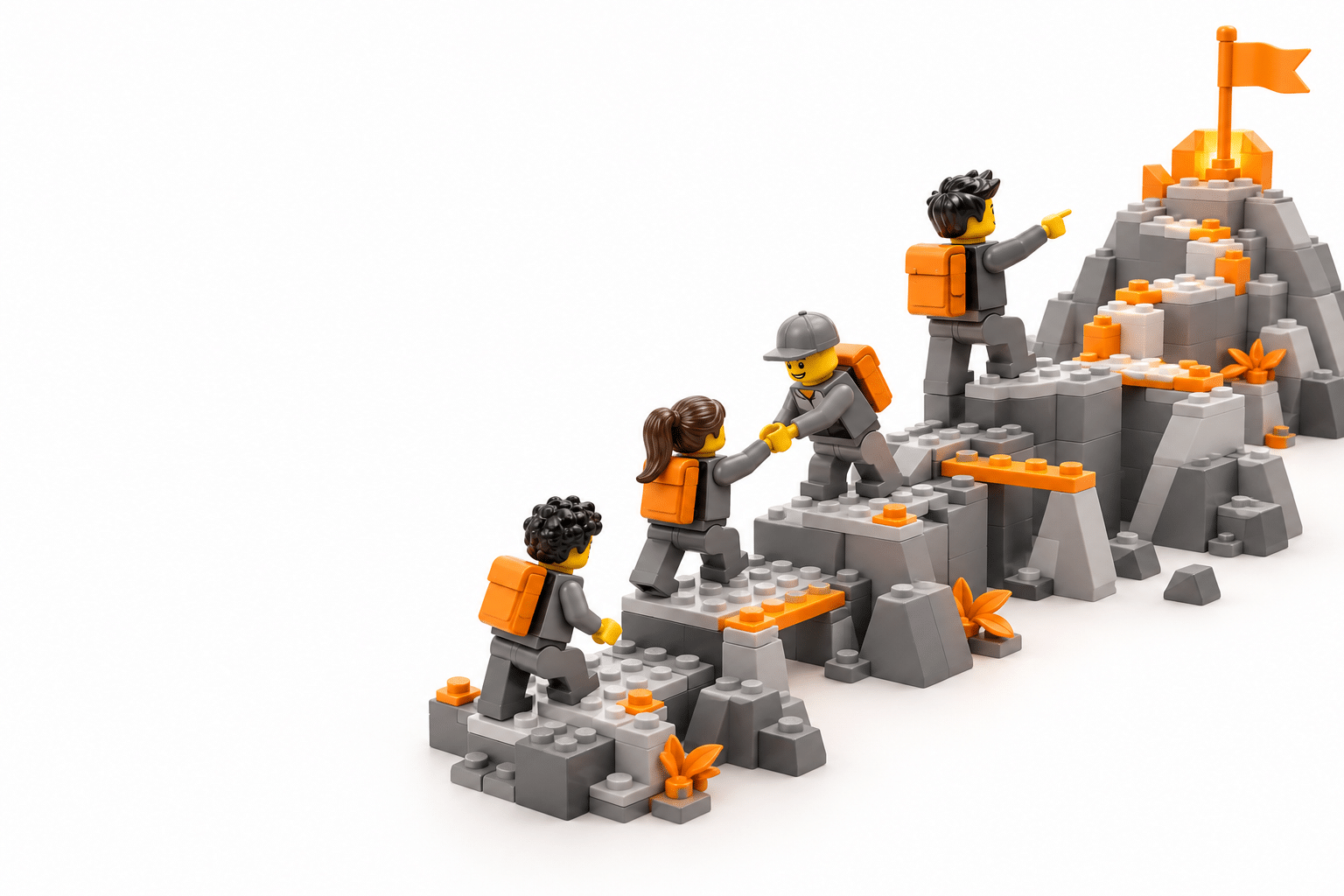
Build Incrementally with Fast, Integrated Learning Cycles Recite the principle to build incrementally with fast integrated learning cycles in a Program Increment retro and every Release Train Engineer nods; then the same team ships an increment next quarter that rediscovers a problem it already…
Kanban vs Sprints for AI Teams: A SAFe Decision Framework
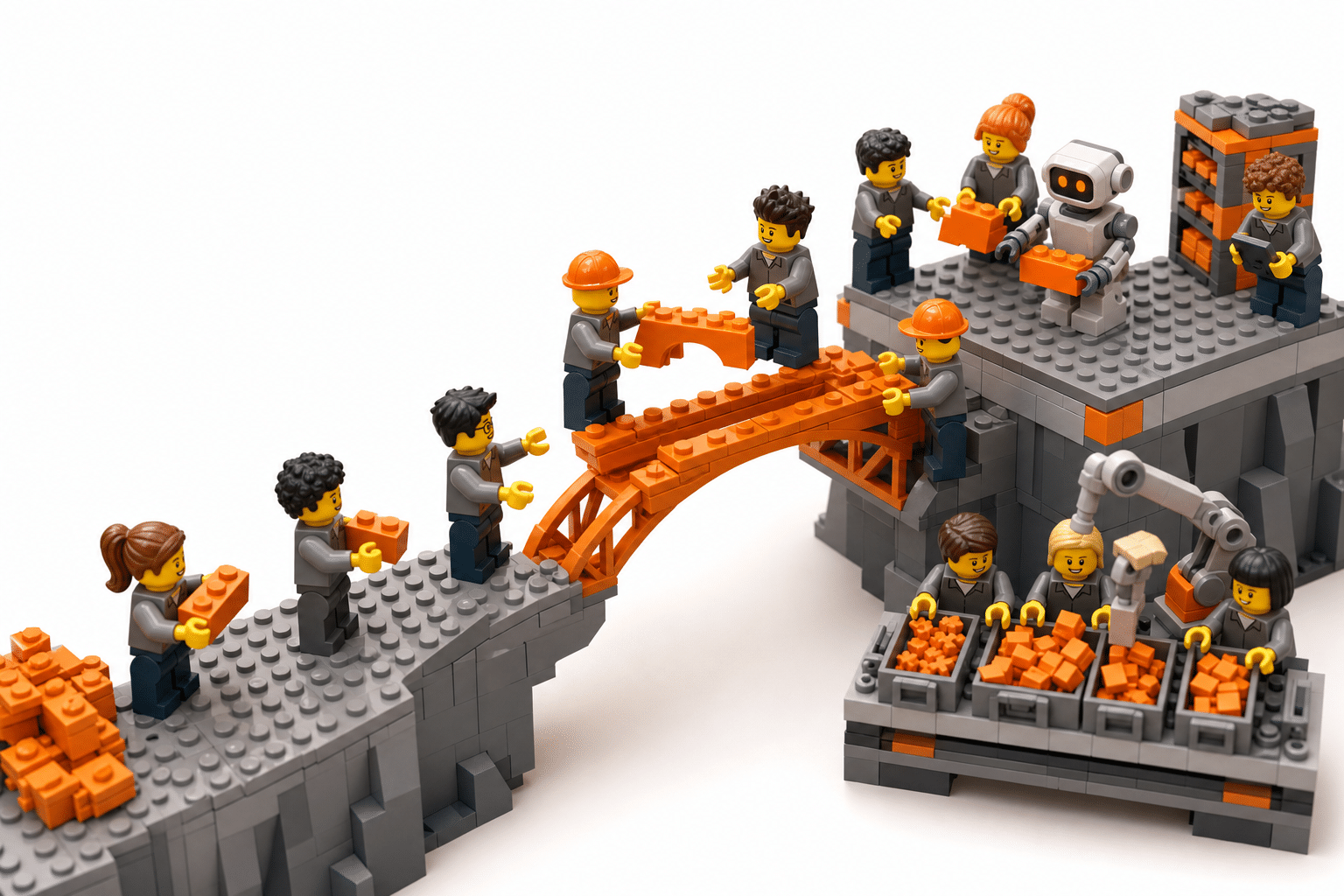
Kanban vs Sprints for AI Teams: A SAFe Decision Framework Ask ten agile coaches whether AI-augmented teams should run Kanban or Sprints and you'll get ten confident, contradictory answers. Underneath the debate sits one variable the tribal framing hides: batch size; how much work moves through the…
Cognitive Load in the AI Era: Team Topologies Meets SAFe
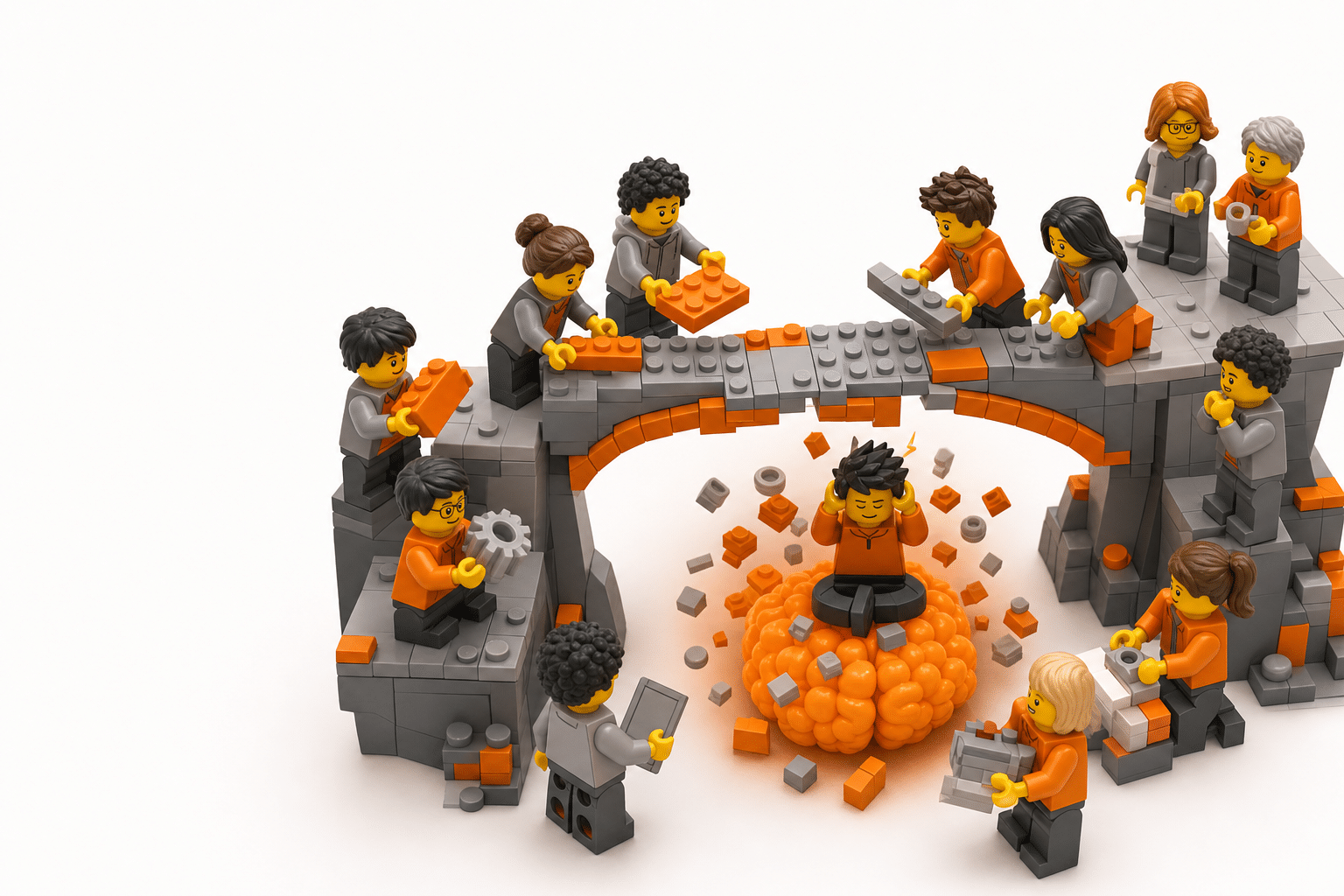
Cognitive Load in the AI Era: Team Topologies Meets SAFe AI made your teams faster at producing work; and slower at everything that happens after. AI made your teams faster at producing work; and slower at everything that happens after. Cognitive load in the AI era is why: where Team Topologies…

PI Planning from the Team's Seat: What Team and Technical Agility Requires
PI Planning from the Team's Seat: What Team and Technical Agility Requires Teams walk into PI Planning assuming the two-day event itself will produce alignment. Alignment only happens when the team already resolved its architectural runway, technical debt, and Built-in Quality gaps before the…
ROAM Risk Management in SAFe: Complete Guide
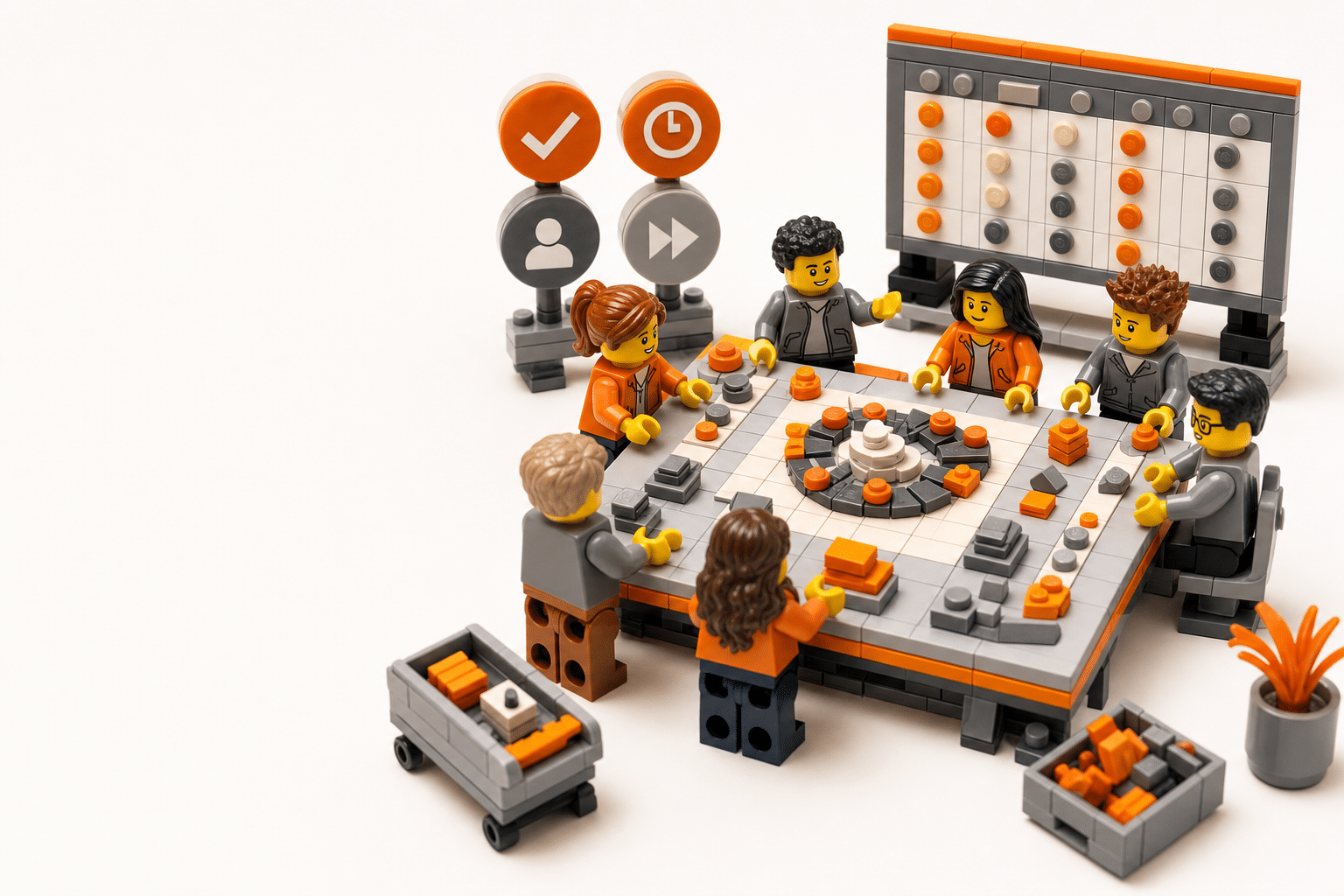
ROAM Risk Management in SAFe: Complete Guide ROAM Risk Management in SAFe persists contact with a hundred-person planning room because it refuses to analyze anything: it disposes. A train that spends its confidence-vote hour debating probability never reaches the vote. ROAM works because it forces…
SAFe Program Board: Creation, Management, and Best Practices
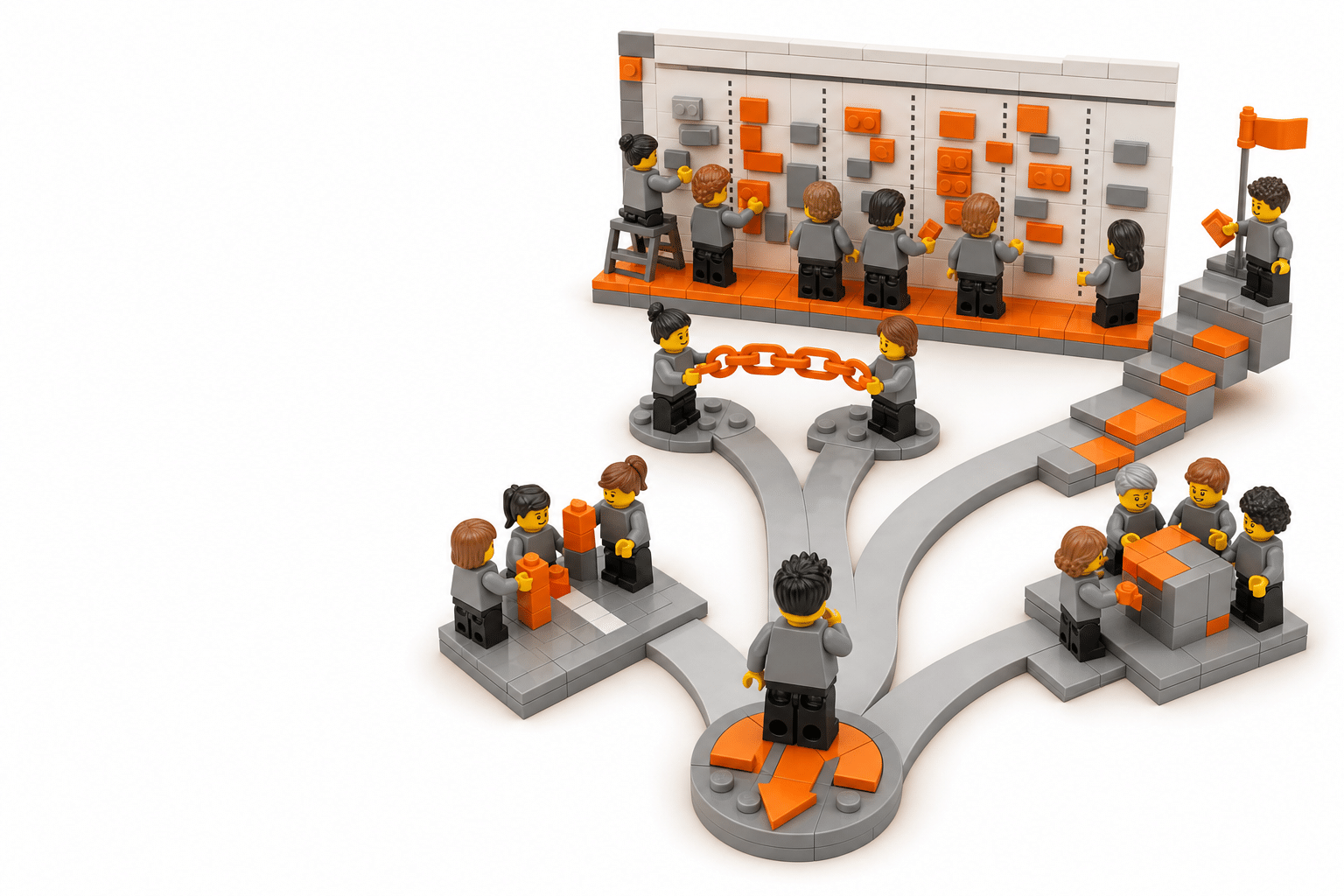
SAFe Program Board: Creation, Management, and Best Practices A SAFe Program Board captures the moment a Program Increment gets planned, then starts decaying the second the room empties, one unmoved feature card at a time. Most Release Train Engineers can point to the exact week their board stopped…

Lean Portfolio Management Metrics
Lean Portfolio Management Metrics Why do portfolio dashboards read green the same quarter finance cuts the budget by a third? Why do portfolio dashboards read green the same quarter finance cuts the budget by a third? Most Lean Portfolio Management metrics measure activity, hours logged, tickets…
Gemba Walks: A Lean Leadership Practice for Going to Where Value Is Created
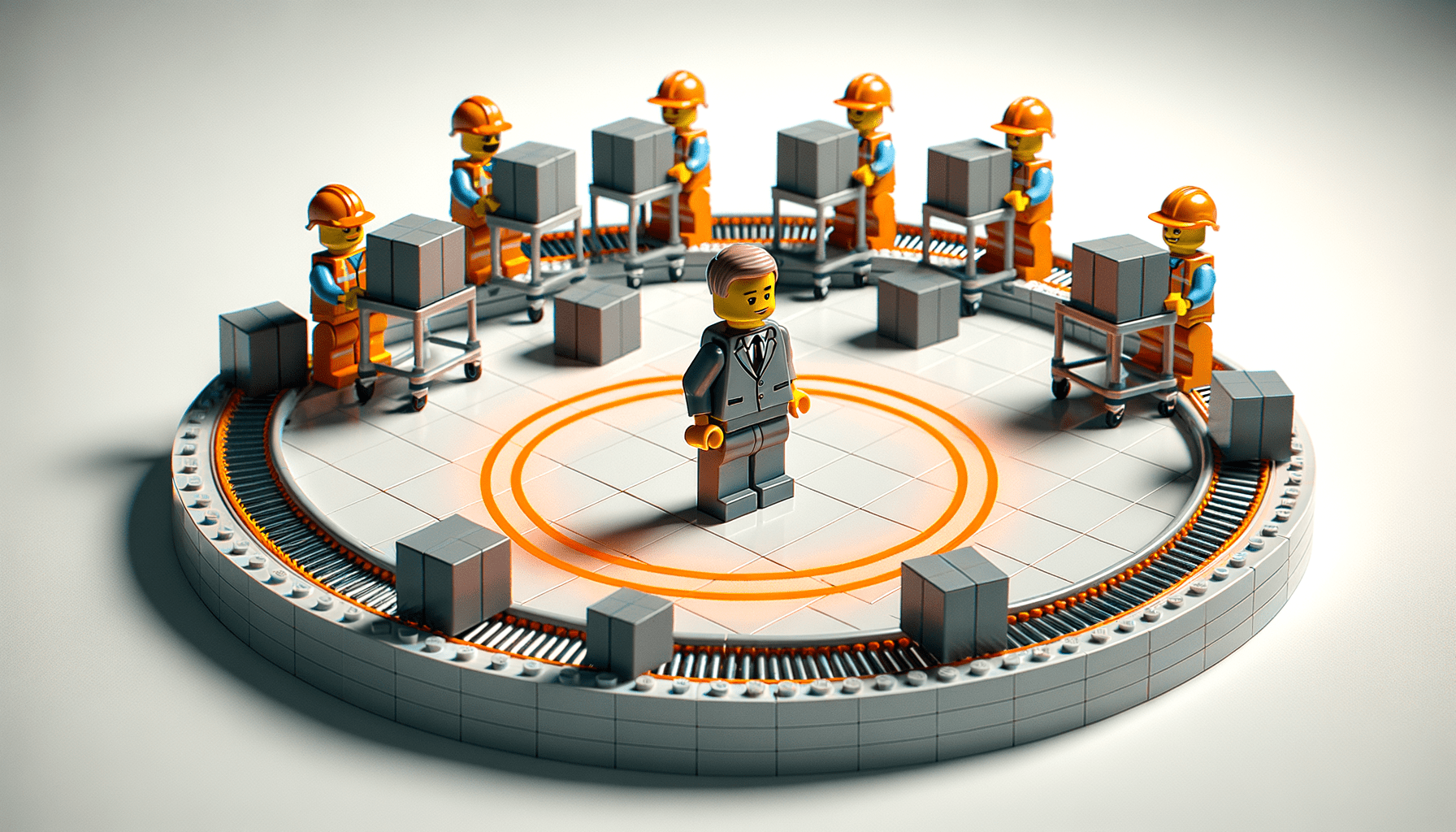
Gemba Walks: A Lean Leadership Practice for Going to Where Value Is Created Most leaders believe they understand what happens on the ground. They review dashboards, read status reports, and attend briefings. Yet the problems that derail transformations live in the spaces between those reports;…

Leading Inspect and Adapt: Scaling I&A Across ARTs and Building Kaizen Culture
Leading Inspect and Adapt: Scaling I&A Across ARTs and Building Kaizen Culture Most Agile Release Trains run Inspect and Adapt (I&A) at the end of every Program Increment (PI) and wonder why nothing changes. The demo gets applause, the metrics get reviewed, the workshop produces a list; and…

SAFe Change Agents: Roles, Skills, and Development Pathways
SAFe Change Agents: Roles, Skills, and Development Pathways Most SAFe transformations do not fail because the framework is wrong. They fail because the people charged with driving change were never properly developed for the role. Organizations invest millions in Agile Release Trains while…

SAFe Implementation Roadmap: The 12 Steps to Enterprise Agility
SAFe Implementation Roadmap: The 12 Steps to Enterprise Agility Most Scaled Agile Framework (SAFe) transformations don't fail because organizations chose the wrong framework. They fail because teams skip the foundational steps that make everything else work. The official 12-step SAFe Implementation…

ROI of SAFe Events
ROI of SAFe Events Does your organization spend thousands of person-hours each quarter on Program Increment (PI) Planning, Inspect and Adapt (I&A) workshops, and System Demos without knowing whether any of it moves the needle? Most do. SAFe events deliver enormous value, but organizations that…

Why SAFe Events Fail
Why SAFe Events Fail Most organizations holding SAFe ceremonies believe they are doing agile at scale. Yet the same impediments resurface every Program Increment (PI), confidence votes cluster around a safe three, and teams treat these events as calendar obligations. The gap between holding events…

How to Measure SAFe Event Effectiveness
How to Measure SAFe Event Effectiveness Most organizations running Scaled Agile Framework (SAFe) ceremonies can tell you whether Program Increment (PI) Planning happened on time. Almost none can tell you whether it actually worked. The gap between executing events and measuring their impact is…

PI Planning vs Quarterly Business Reviews
PI Planning vs Quarterly Business Reviews Most organizations assume their Quarterly Business Reviews keep strategy and execution aligned. Then they scale to multiple delivery teams, and the gap between what the business approved and what teams actually built becomes impossible to ignore. The real…

Why Continuous Learning Culture Fails
Why Continuous Learning Culture Fails Retrospectives run on schedule, Inspect and Adapt happens every PI, yet the same estimation errors and dependency failures keep resurfacing. Why Continuous Learning Culture Fails comes down to one uncomfortable truth: most organizations are running the…

PDCA Problem Solving: Plan-Do-Check-Act for Continuous Improvement
PDCA Problem Solving: Plan-Do-Check-Act for Continuous Improvement Most teams treat PDCA Problem-Solving as four boxes to tick before the retrospective ends; and that's exactly why the same defects keep resurfacing three sprints later. The cycle only works when Check compares real results against a…

Improvement Stories in SAFe: How to Write and Track Team Improvements
Improvement Stories in SAFe: How to Write and Track Team Improvements Most retrospectives end with a whiteboard photo and good intentions nobody revisits. SAFe treats that as a preventable failure: Improvement Stories convert a retrospective or Inspect & Adapt finding into a sized, committed piece…
Agentic Engineering: What Karpathy's Vision Means for SAFe Roles
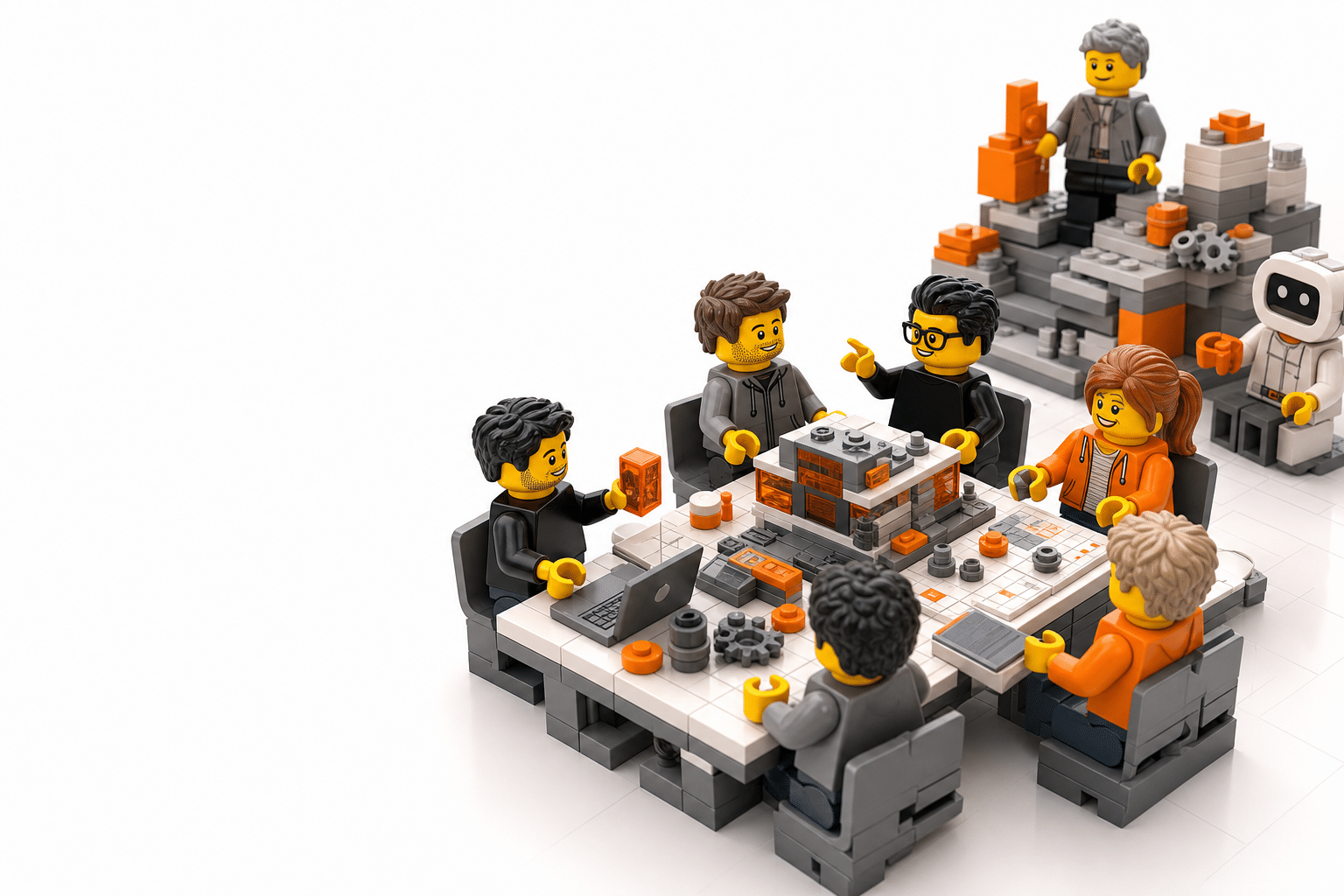
Agentic Engineering: What Karpathy's Vision Means for SAFe Roles Most organizations scaling agile assume AI coding agents simply make developers faster. The real disruption runs deeper: agentic engineering restructures which humans hold which decisions, and the governance architecture SAFe already…